Nov 2024
Launched the IPC industrial PC product line
It was our first step into industrial-grade computing, a harder and higher-value category than the thin clients we started with. It has since grown into a small family of models.
I run Thinvent, where we design and make computers in Goa. In a small company you end up doing a bit of everything, so I've had a hand in the hardware and its design, the brand and the website, the patents, and most of the software that runs the business. Here is some of it.
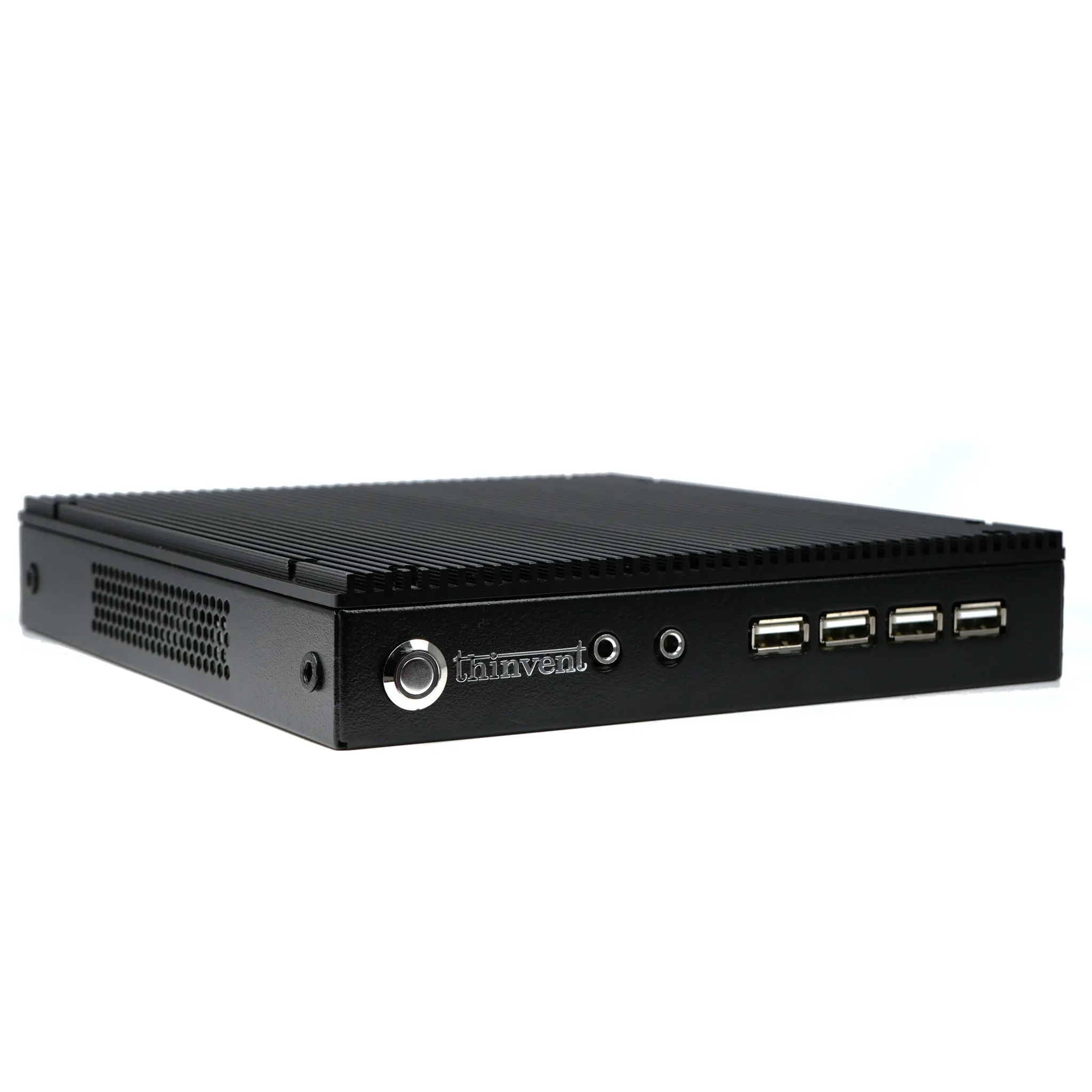
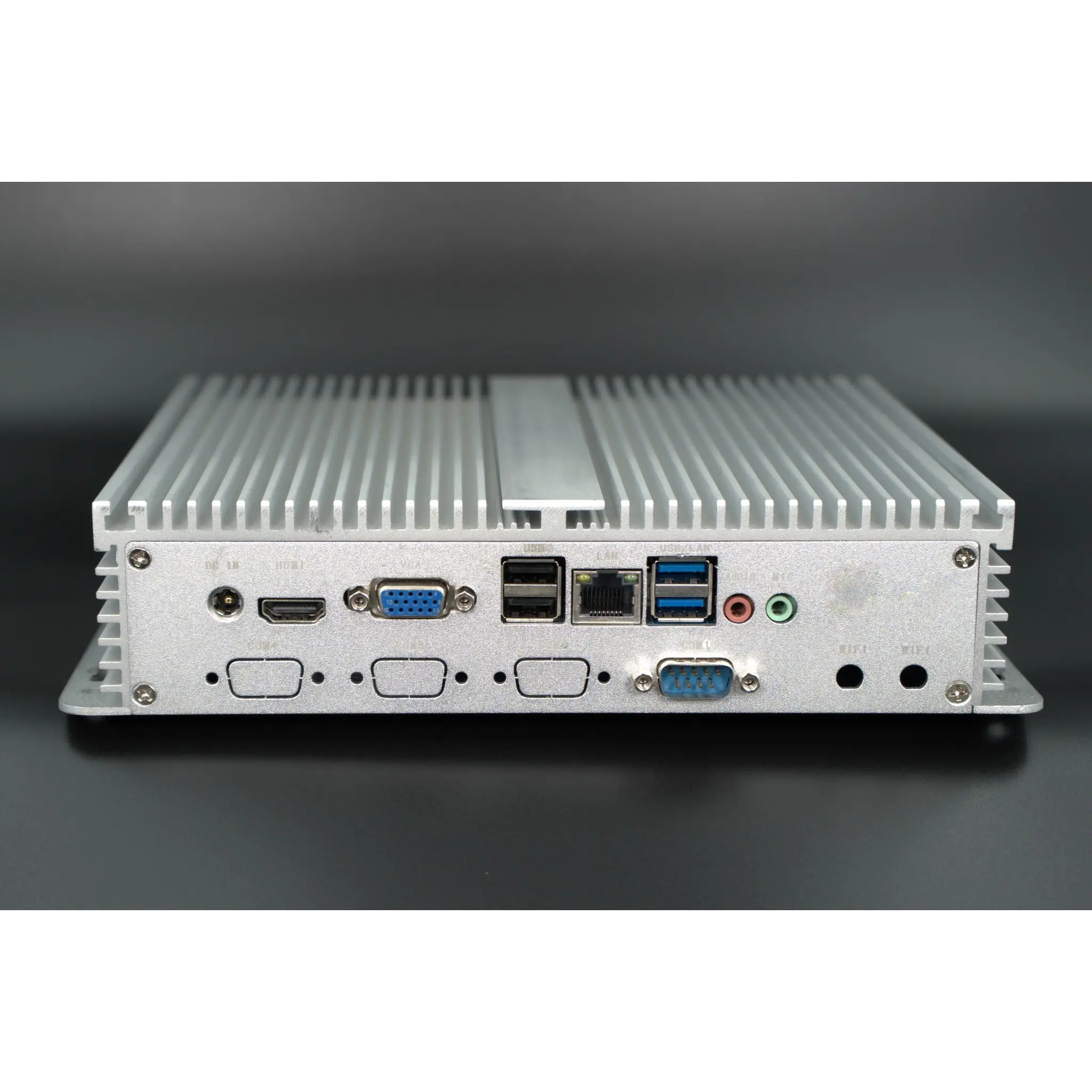
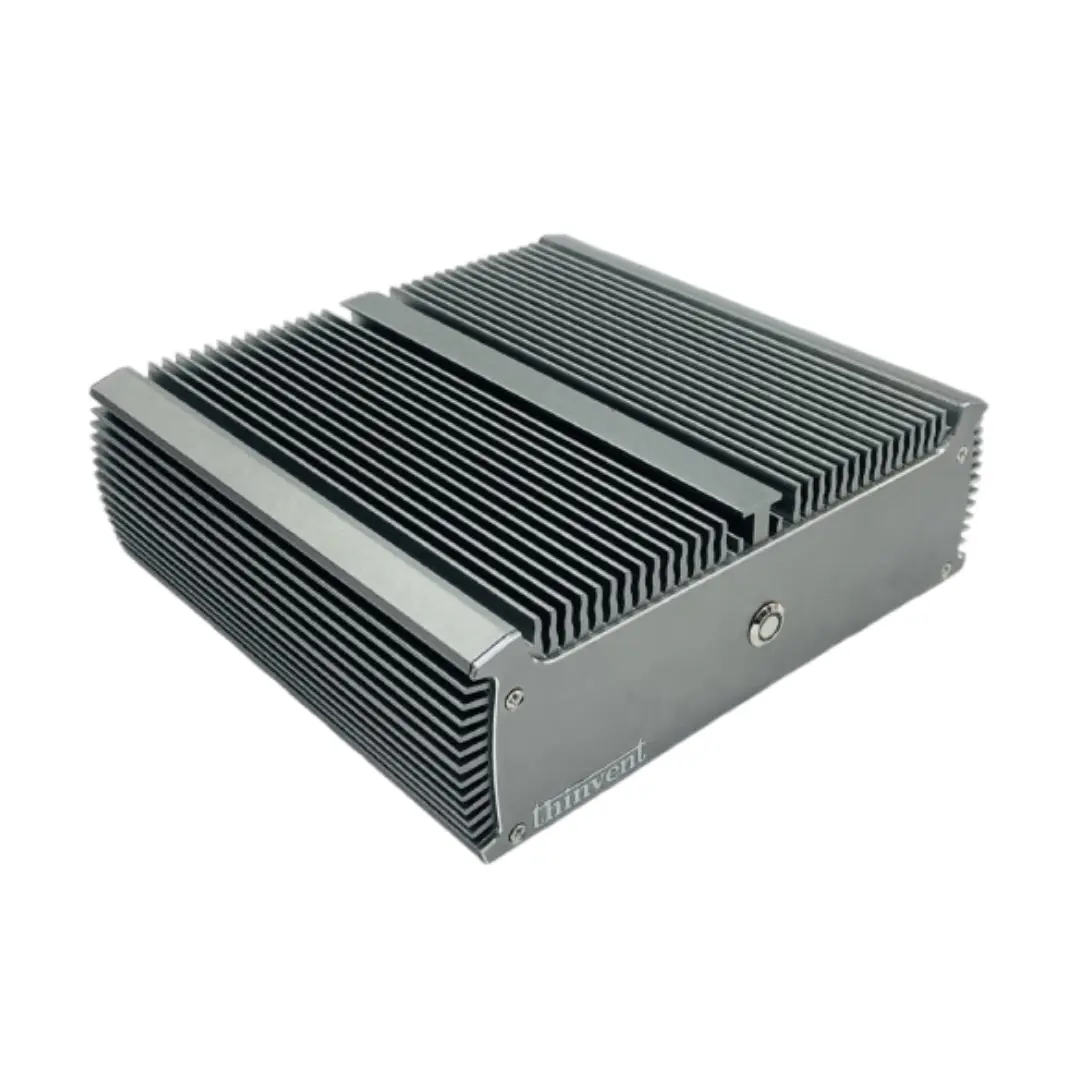
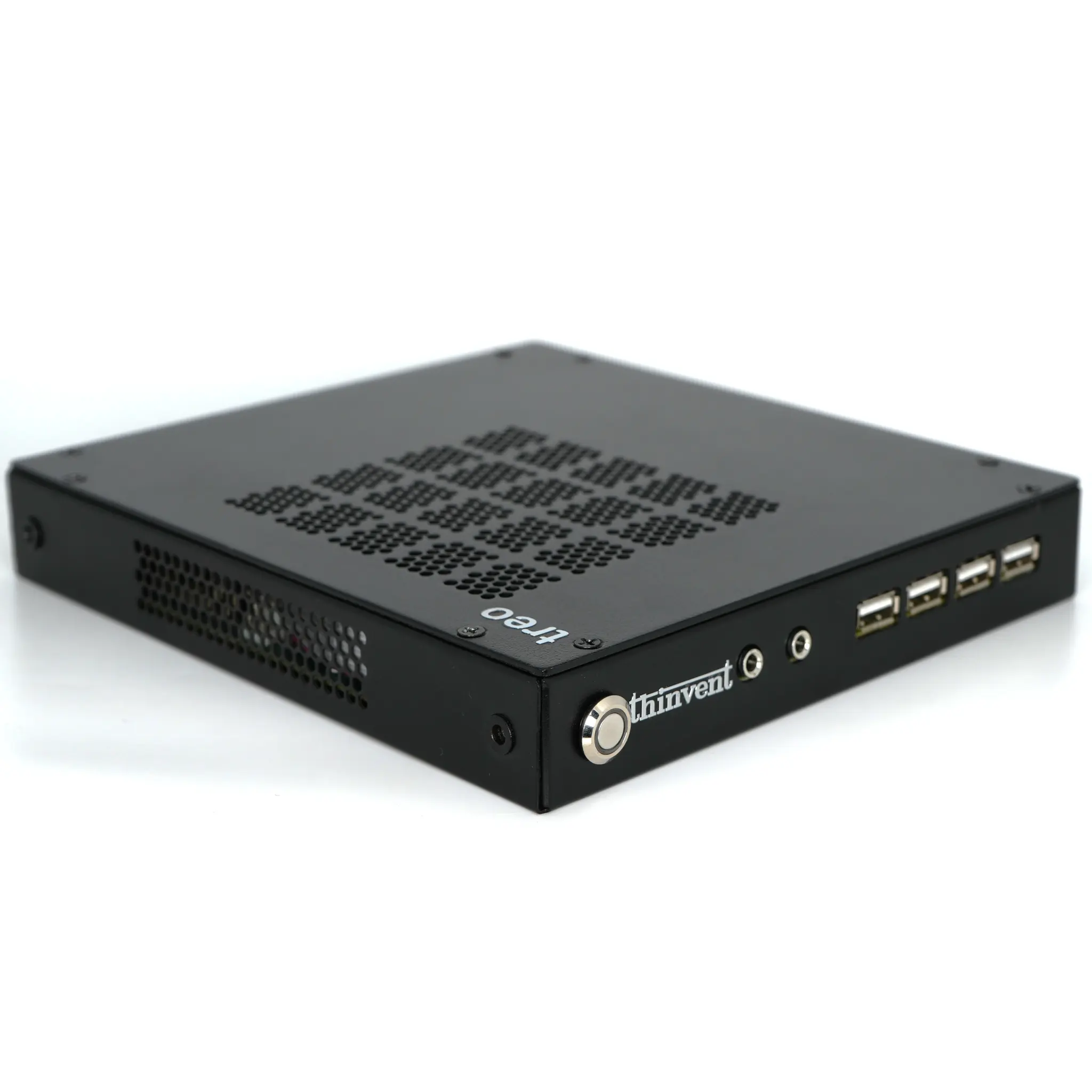
It was our first step into industrial-grade computing, a harder and higher-value category than the thin clients we started with. It has since grown into a small family of models.
It built on the IPC line from a year earlier, more iteration than a one-off launch.
We later brought its assembly in-house as well.
I'm designing a new panel PC line, the next hardware category after the industrial PCs, mini PCs and thin clients.
Added a web page where customers can pick and match compatible computer parts interactively, expanded from just the IPC line to the whole catalog.
I did the creative direction myself. It set up the website relaunch that came a few weeks later.
It shipped right after the brand refresh, so the new look and the new site landed together.
I organised the product photography for a few new devices, including an all-in-one PC, fitting the shoots around the production schedule.
It was our first real attempt at protecting the mechanical design of our own hardware. I wrote the technical descriptions and did the prior-art reading myself.
The Indian Patent Office granted our first design registration, for a computing-device enclosure, the first of several over the following months.
see the certificates →By mid-2026 we had several design patents granted for our product casings, with more still in examination. A few other founders have asked me who we used.
see the certificates →This is a manufacturing execution system built from scratch: a blueprint editor for tools, parts and assembly steps, a workstation interface with mistake-proofing checks that stop an operator from using the wrong part, and a live dashboard including a TV view for the factory floor. It ties together barcode scanning, a step-by-step state machine, and a real-time database to replace paper-based assembly tracking.
The old search setup was hitting memory limits in production. Rather than patch around it, the fix was a proper migration to a managed, shared caching layer, then systematically moving product search, pricing, sitemaps, analytics dashboards and more onto it so the whole site got faster and more stable at once, not just the search box.
This meant building a live, always-on conversational layer on top of the product catalog and support ticket system, including rules for when the AI should hand off to a human, and running it safely enough that a whole later body of work went into testing it in isolation so it could not crash the main site.
The first version cached recommendations in each web server process separately, which multiplied memory use and caused repeated crashes. Getting it right meant moving the work out of the web server into a separate queue and storing results in S3 and then DynamoDB, a real lesson in why naive caching breaks under real traffic.
Instead of manually reviewing thousands of search terms, the system uses an AI model to classify each one as relevant, a competitor name, or plain noise, then narrows down negative keywords without accidentally blocking real customers. It also caught and reverted a case where the ad tracking code had silently drifted to the wrong account.
Indian payroll has to correctly calculate PF, ESI and LWF (retirement, health insurance and welfare fund contributions) alongside overtime pay, each with its own rules. Getting the math right and catching cases where overtime pay had been silently overstating these contributions took real care, since a mistake there means either underpaying staff or filing wrong government paperwork.
Software that had grown for two years with few tests started getting proper coverage: mocked AWS databases so tests run without touching real data, full page-load checks, and edge cases like a 12th-generation Intel form-factor bug. The work paid for itself directly, turning up a cross-site request forgery gap repeated across several unrelated templates.
Electronics For You ran a feature interview with me on whether an Indian brand can build and grow in rugged computers, and how we are scaling manufacturing in Goa.
read the feature →I was appointed a director of a government-linked electronics manufacturing cluster in Goa, which ties us into the state's wider manufacturing setup.
The state asked for input on Goa's draft electronics manufacturing (ESDM) policy, and I sent back detailed notes on its incentive structure.
We showed our industrial PC and thin-client products at the Convergence India Expo in Delhi. I chose what went on the stand.
I agreed to take summer interns from IIT Goa, setting up a small recruiting and mentoring link with a local engineering college.
Thinvent's own Linux distribution, which I have worked on since 2012. 1K commits, around 62K lines, mostly Bash, Python and C. It builds the OS images that run on our thin clients, desktops and devices, with a big push in early 2026 on self-provisioning server fleets.
install.sh orchestrates debootstrap, package layering and filesystem assembly into bootable images ('spins') for every hardware/purpose combination Thinvent ships, from bare-bones IoT boxes to full desktops.
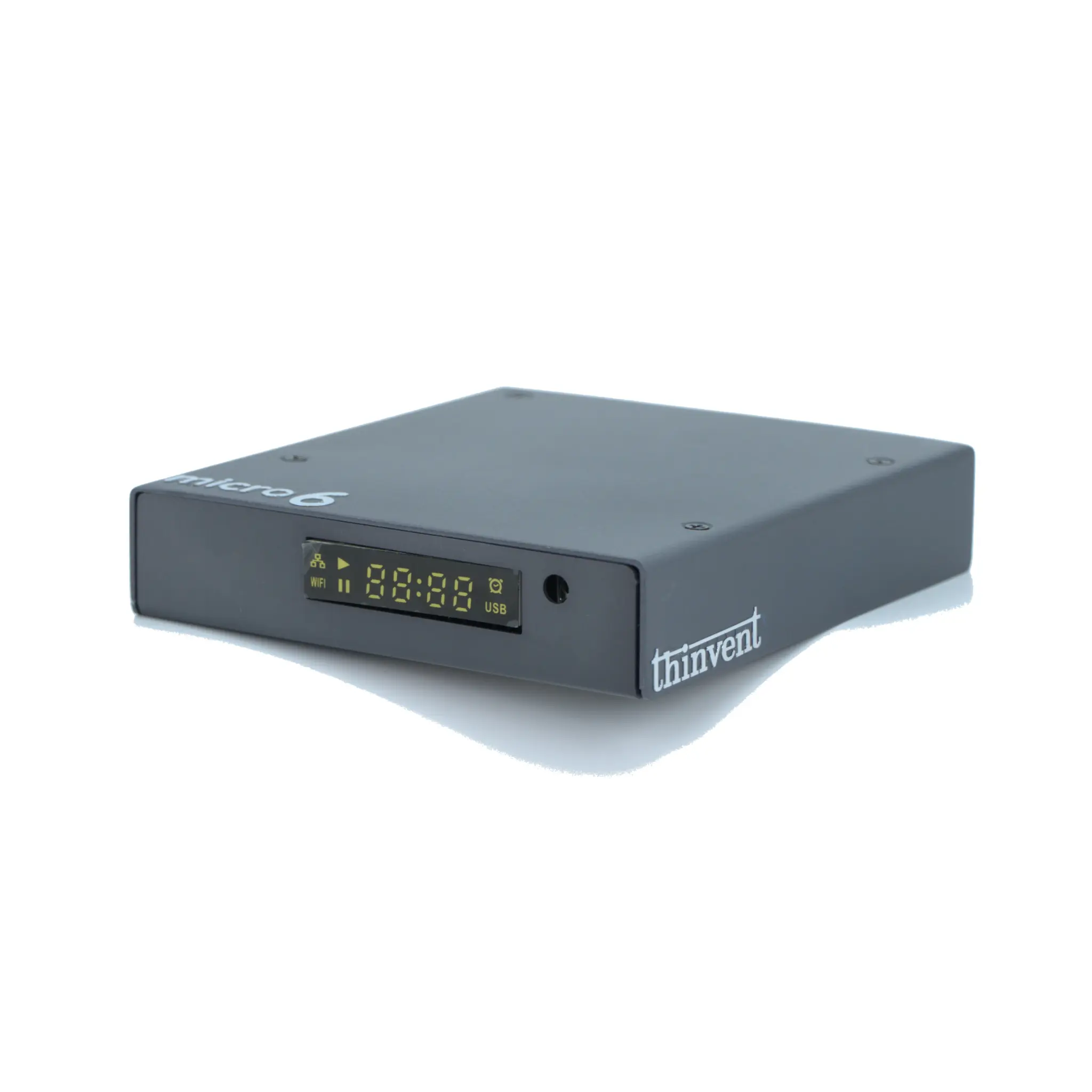
Ported and maintained the OS for Amlogic S905/S905X3 boards (Thinvent's Micro5/Micro6 thin clients), Orange Pi, and Raspberry Pi 2, including kernel, U-Boot and device-tree integration for each.
Built an overlayfs-based immutable root so the OS partition stays read-only while user changes land in a separate overlay; devices survive power loss cleanly and a factory reset just wipes the overlay.
Integrated Citrix Workspace, VMware Horizon, AWS Workspaces, FreeRDP and VNC into a kiosk-mode launcher, turning low-cost hardware into dedicated remote-desktop terminals.
A daily, idempotent update-server.sh script git-pulls and self-re-executes on every production server, gated by a JSON rollout file, with WireGuard networking and iPXE/PXE boot for provisioning new machines.
Rewrote the device metrics/inventory reporting agent from Python to C for a lighter footprint, alongside custom C/C++ kiosk UI tools (menu, notify, sysinfo) that run directly on the low-power ARM hardware.
Deep dives on how these systems are actually built, written up and published on the Thinvent site.